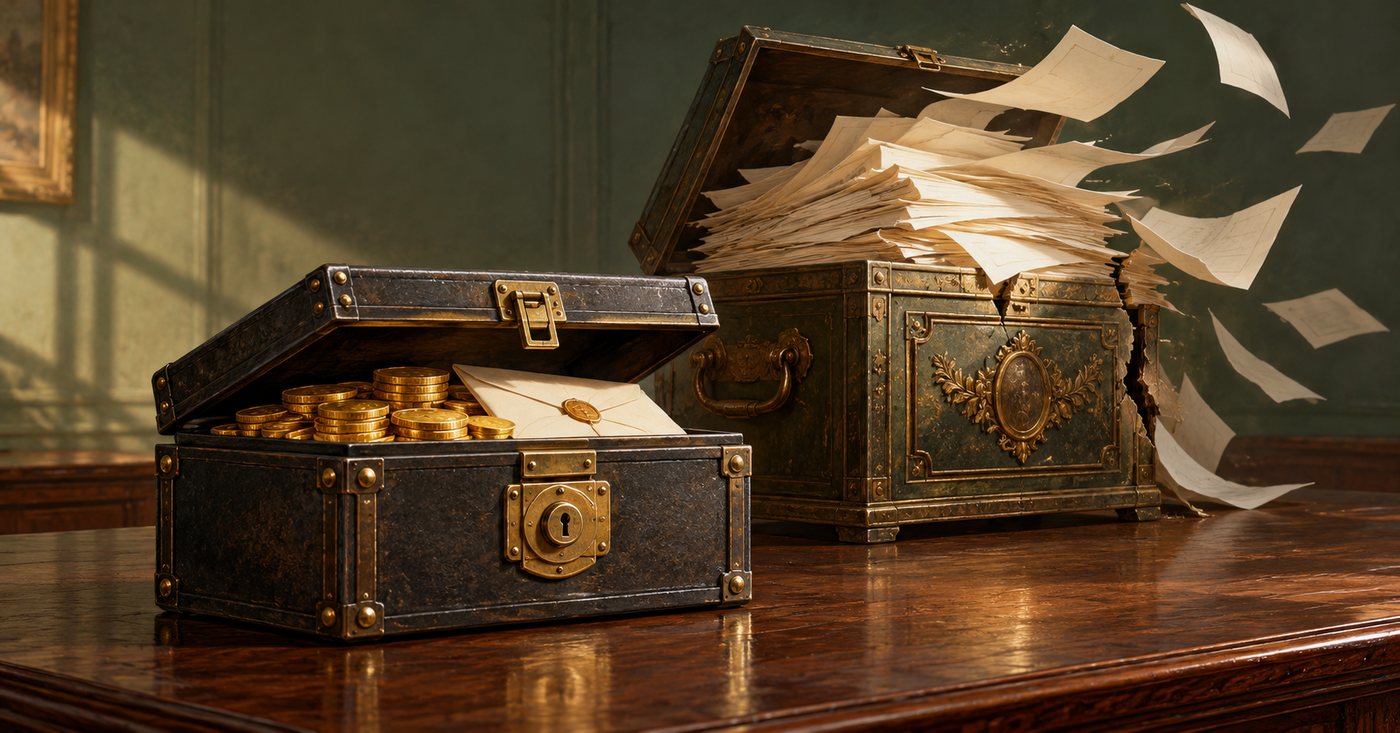
Two offers for the same business.
The first is £12 million. £7 million on completion and £5 million paid over three years, subject to the business hitting its targets.
The second is £10 million. £9 million on completion and £1 million deferred for a year.
The instinct is to take the first one. It's £2 million more.
Except it isn't, necessarily. The first offer only comes out ahead if more than 60 percent of that £5 million actually gets paid - and that's before you count three years of working to targets someone else now controls.
The gap between those two offers isn't about what the buyer thinks your business earns. It's about how sure they are it'll keep earning it.
The sum everyone does
Ask an owner what their business is worth and you'll usually get the same answer. Profit, times a multiple.
It's not wrong - and it's how the headline number gets built - which is why so much energy goes into pushing EBITDA up in the years before a sale.
But that calculation only tells you the size of the offer. It doesn't tell you how much of it you'll actually receive, or when.
Every offer has two numbers in it. The headline price is what the buyer believes your business earns. The split between cash on completion and money paid later is often based on how much they doubt it.
An earnout isn't a sweetener. It's the buyer taking their own uncertainty, putting a price on it and handing it back to you to carry.
Certainty is what's being bought
This isn't just a theory about how buyers think. PwC's latest review of UK deal-making, published in September, found that deal value in the first half of 2026 more than doubled to £134.7 billion, while the number of deals actually fell about 13 percent. Their conclusion was blunt: "Certainty has become a currency in M&A."
They also found that well-prepared buyers are winning deals against higher bidders. Price alone isn't settling things any more - it’s about confidence.
That's the same force at work in the two offers above.
What a buyer can't be sure about
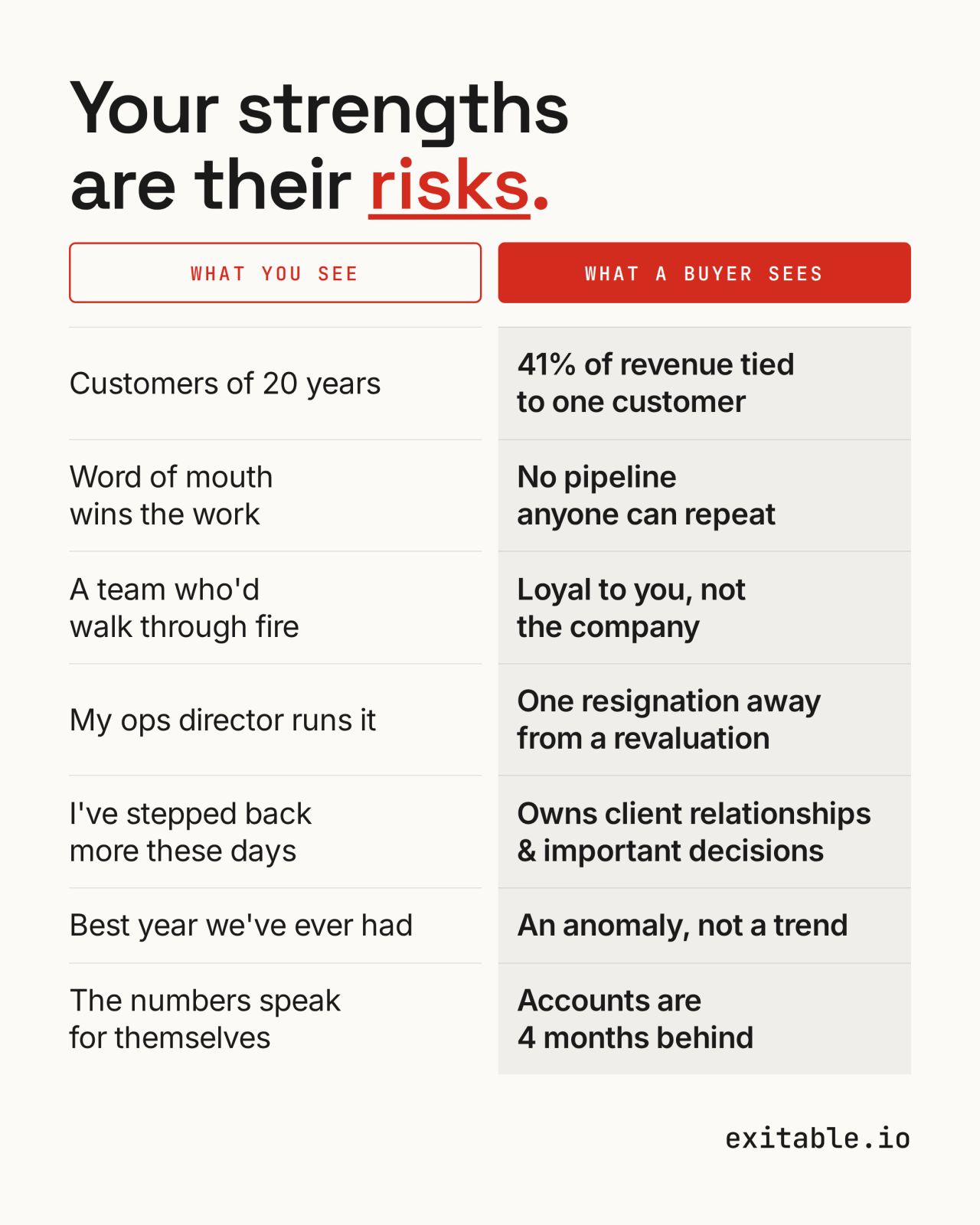
Without exception - the questions a buyer asks about your business are not the ones you ask about it.
In a typical owner-led business turning over around £10 million, a buyer's doubts usually come down to three things.
Does the profit repeat? Is it built on contracts and recurring work, or on a few good years, one big client and some costs that were quietly held back?
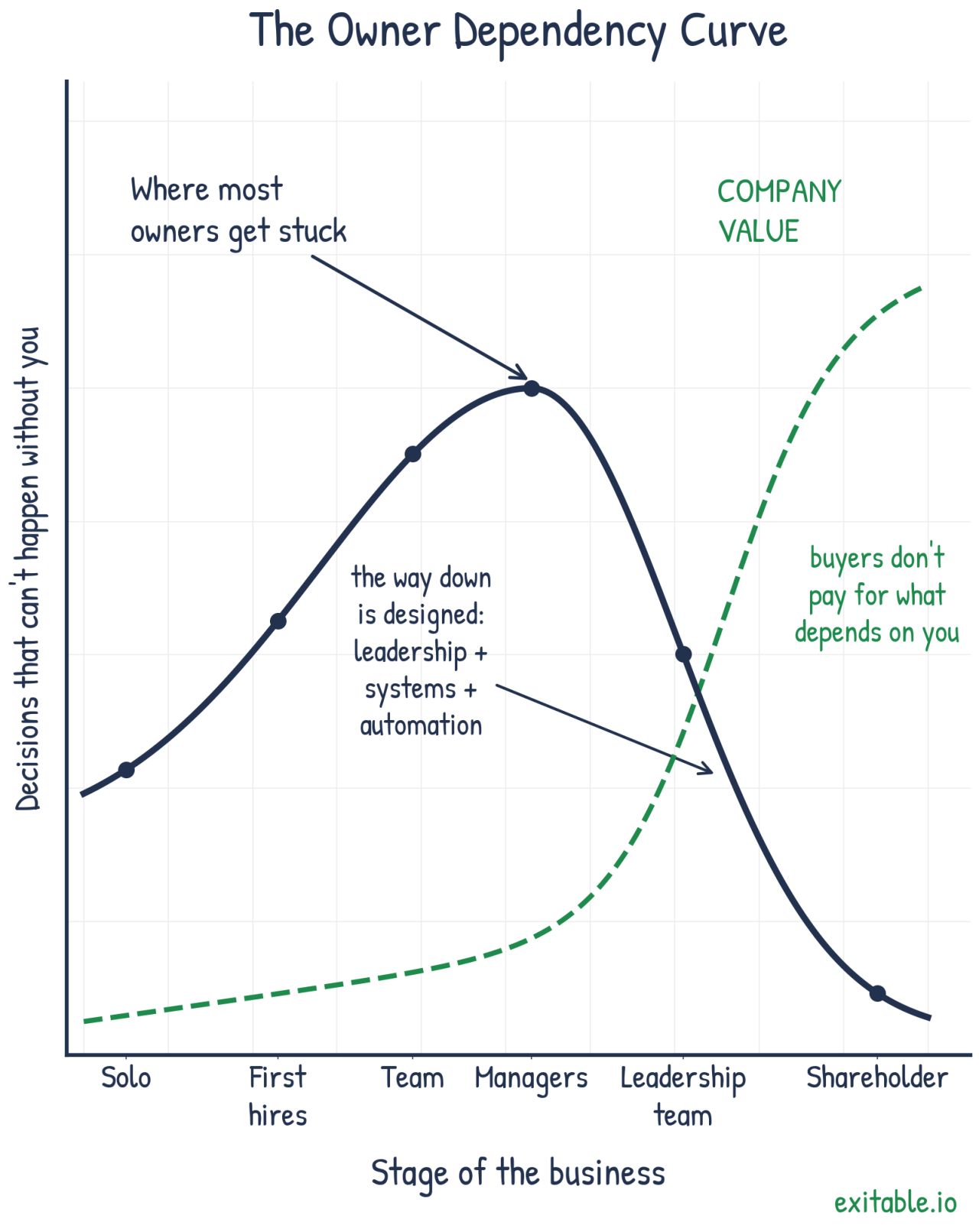
Does it survive without you? Who holds the key relationships, sets the prices and makes the calls that matter? If the honest answer is you, the buyer is being asked to pay for something that evaporates on completion day.
Is the forecast real? Can you show a track record of hitting your own numbers, with reporting that reconciles month after month, or is the plan a confident spreadsheet?
Each of those turns into a long list of diligence questions. And this is the part most owners never see: every question you can't answer with evidence turns cash on completion into money you might get in three years.
Neither your memory nor your opinion is evidence. A buyer can't bank either of them.
Same profit, different cheque
Take two businesses, each making £1.5 million a year.
In the first, revenue sits on multi-year contracts. Monthly management accounts go out on time and tie back to the year-end. A sales director owns the pipeline and the owner hasn't personally closed a deal in two years.
In the second, the profit is just as real. But the biggest relationships run through the owner, pricing lives in their head and the forecast is whatever they say it is.
Same EBITDA. Possibly even the same multiple. A very different offer letter.
The first gets most of its price on the day. The second gets the earnout, because a buyer has no other way to protect themselves against what they can't verify. Owner dependency is simply uncertainty with your name on it.
"But earnouts do get paid"
Some do and some pay in full. That's true as far as it goes.
Where it breaks down is control. Once you've sold, the buyer sets the budget, the headcount, the pricing and the priorities. You're chasing targets in a business you no longer run, and any decision they make can move your number.
That's why the sum at the top matters. The bigger offer only wins if more than 60 percent of the earnout pays out, and you're making that bet for three years in someone else's business.
This takes five minutes..
Take the three doubts above and think of a couple of questions a buyer would ask you for each one. Then ask yourself where the answer lives: a documented process, a system, or your head.
Be honest - especially about the last one.
Every "my head" answer is part of the £5 million a buyer would rather pay you later. The owners who get the bigger number and the cash on the day aren't the ones with more profit. They're the ones with more proof.
All the best,
Gavin
P.S. Next time someone tells you what their business sold for, ask how much of it they were paid on the day.
Deal figures from PwC, "UK M&A trends: mid-year outlook for 2026", September 2026.
Book a call to find out if your business is exitable