There’s a business a few miles away from you that’s going to shut down.
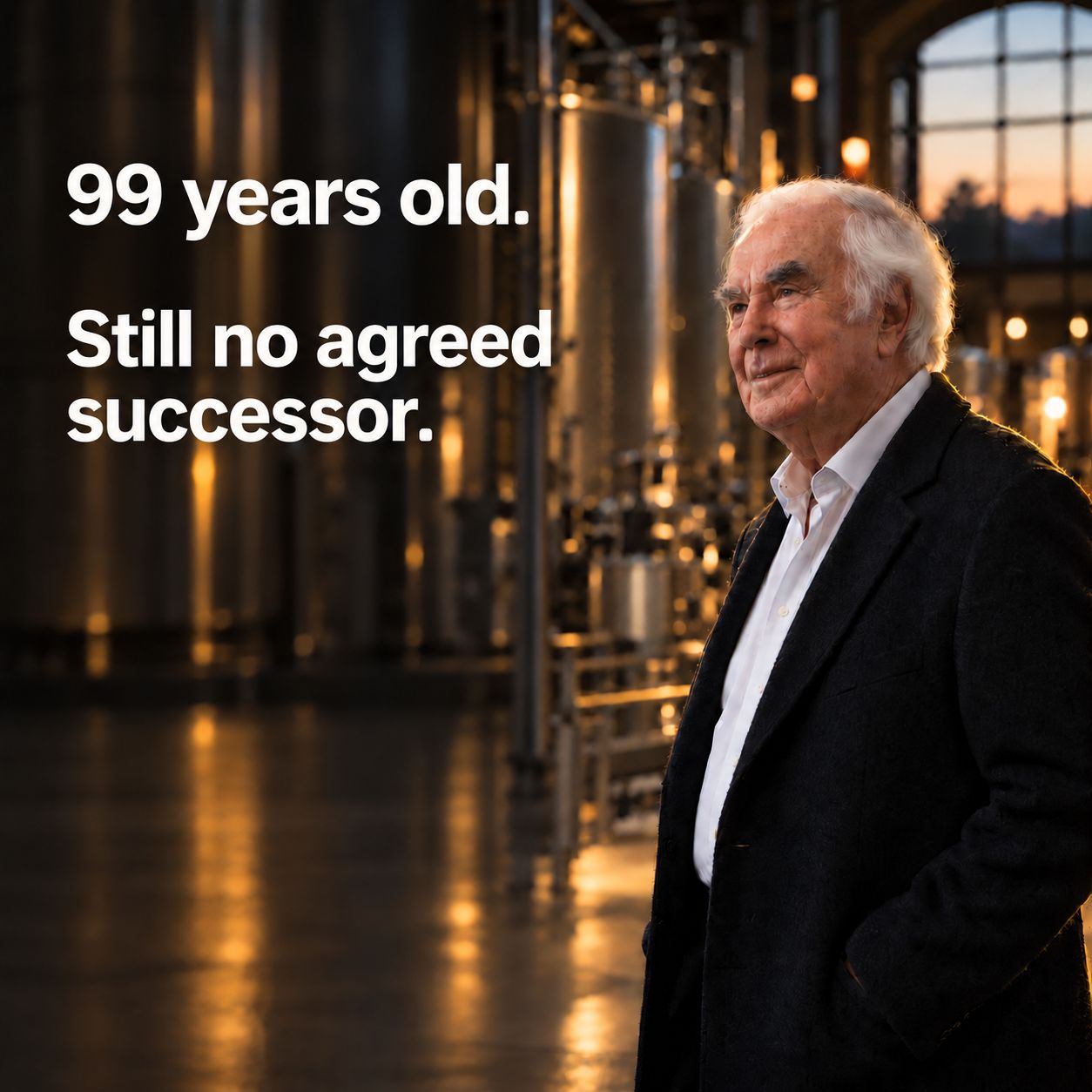
It makes money. It has twenty or thirty good people, customers who’ve been with it for years and an owner in his sixties who’s run it well.
He has no successor and his children have other careers. A broker took some hefty upfront fees a couple of years ago with the promise of a buyer - but nothing ever came of that.
So at some point in the next few years he will stop taking on new work, let people go as they retire and quietly wind it down.
He would have sold it to you, but you didn’t ask.
And a common reason that nobody asked him is a sentence you have probably said yourself: "Acquisitions are for bigger companies than mine."
Why that sentence feels true
When you picture an acquisition, you might picture private equity, a room full of advisers and a cheque with a lot of zeros on it. Set against that, a business with revenue somewhere between five and fifty million feels like the wrong size of buyer.
And in any case, how would a deal get funded - and would that mean more risk for you and your business?
The trouble is that everyone is making the same assumption. PE funds look at that business down the road and decide it’s too small for them. You look at it and decide you are too small for it.
So a good business ends up with no buyer at all, simply because each possible buyer has ruled themselves out.
This is not one business
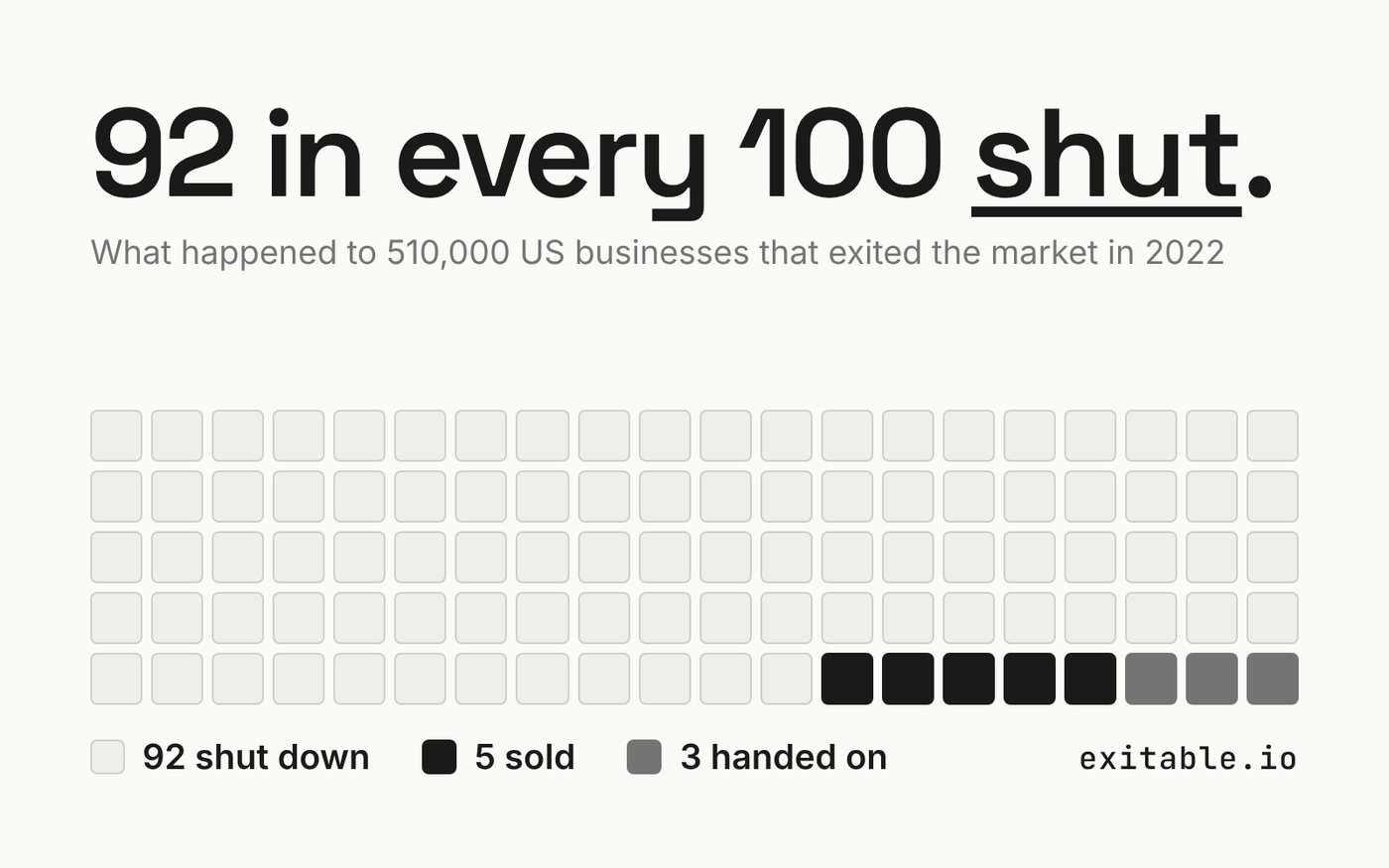
In 2022, around 510,000 small and medium-sized businesses in the US came to the end of the road with their owner. McKinsey looked at what happened to them. 92 percent shut down. Only 5 percent were sold, and 3 percent were handed on.
Plenty of those were very small. But the same research expects six million businesses to change hands by 2035 and reckons more than a million of them are sound enough to be sold.
It’s the same picture elsewhere. In Germany, the chambers of commerce counted about 9,600 owners looking for someone to take over, against roughly 4,000 people interested in doing so. In the UK, 280,000 businesses shut down in 2024 and fewer than one in ten of those was an insolvency.
There is no shortage of good businesses. There is a shortage of buyers.
What he actually wants
I've sat on both sides of the table and I can say that the owner with no successor is rarely holding out for the highest bidder. He wants to know his people will be looked after, his customers will still get their calls returned and the name over the door will mean something in five years' time.
A PE fund finds that hard to promise - but you don't. After all, you know his trade, you probably know some of his customers and you are still going to be around for a while.
That makes you a better buyer than the "bigger company" you keep picturing.
"But I don't have that kind of money sitting there"
Very few buyers do, and very few of these deals need it. When an owner's alternative is closing the doors, he’s got every reason to be flexible about how he is paid. Part on the day and the rest over several years, out of the profits the business keeps making, is a normal conversation to have.
I wrote a few weeks ago about what profit costs you to build compared with what it costs to buy. This is where that sum starts to matter.
The question nobody asks
You already know an owner like him. Someone a few years ahead of you, running a solid business, who has never said what happens next.
The next time you see them, ask: "What happens to the business when you decide to stop?"
It's a question very few owners are ever asked by someone who understands what they've built. You may be surprised how long the answer is.
He was never waiting for a bigger company. He was just waiting for someone to ask.
All the best,
Gavin
P.S. If you do ask the question this week, reply to this email and tell me what they said. And if the answer turns into a real conversation about buying the business, I'll tell you what I'd do next.
US figures from the McKinsey Institute for Economic Mobility, "The Great Ownership Transfer", February 2026. German figures from the DIHK succession report 2025. UK figure from the ONS, Business Demography 2024.
Book a call to find out if your business is exitable